
Botox
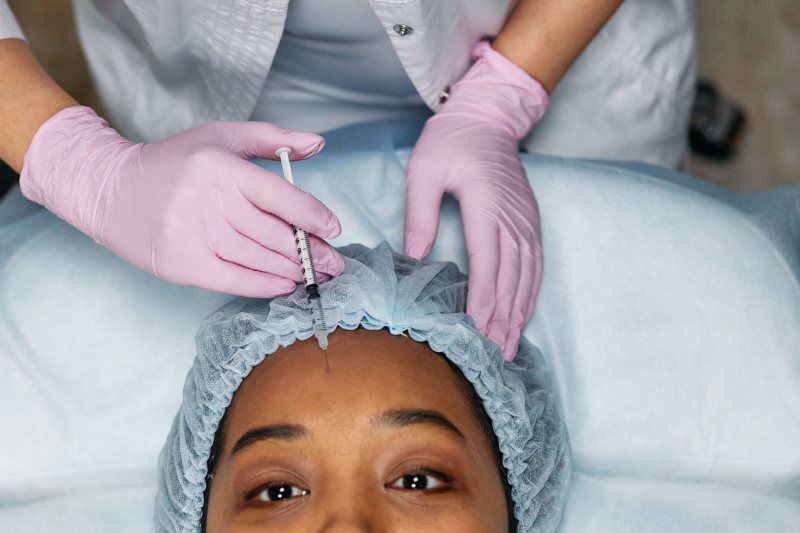
Botox injections block certain chemical signals from nerves, mostly signals that cause muscles to contract. The most common use of these injections is to temporarily relax the facial muscles that cause wrinkles in the forehead and around the eyes.
What is botox
Repeated muscle contractions from frowning, squinting, or raising eyebrows cause skin to furrow and fold, gradually resulting in the formation of facial lines. BOTOX works beneath the surface and temporarily reduces the underlying muscle activity that causes moderate to severe frown lines, crow’s feet and forehead lines in adults – to help them look better.
Botox injections use a toxin called onobotulinumtoxinA to temporarily prevent a muscle from moving. This toxin is produced by the microbe that causes botulism, a type of food poisoning.
What Does Botox Treat?
-Cervical dystonia. In this painful condition, your neck muscles contract involuntarily causing your head to twist or turn into an uncomfortable position.
-Lazy eye. The most common cause of lazy eye is an imbalance in the muscles responsible for positioning the eye.
–Muscle contractures. Some neurological conditions, such as cerebral palsy, can cause your limbs to pull in toward your center. In some cases, these contracted muscles can be relaxed with Botox injections.
–Hyperhidrosis. In this condition, excessive sweating occurs even when the temperature isn’t hot and you’re not exerting yourself.
–Chronic migraine. If you experience migraines more than 15 days a month, Botox injections may help reduce headache frequency.
–Bladder dysfunction. Botox injections can also help reduce urinary incontinence caused by an overactive bladder.
–Eye twitching. Botox injections may help relieve contracture or twitching of muscles around the eye.


How You Prepare
Tell your doctor if you’ve had any type of Botox injection within the past four months. Also tell your doctor if you take muscle relaxants, sleeping aids or allergy medications. If you take blood thinners, you may need to stop taking them several days before your injection to reduce your risk of bleeding or bruising.
WHAT TO EXPECT
Before the procedure